




A True Home Cheese Maker
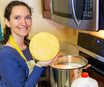
Andrea is a new startup cheese maker, and what first drew her to my attention was the number of progressive questions she asked on our online tech site. Those questions showed she was making real progress.
Why did you start making cheese at home
I started cheese making as a way to experiment and create something unique in the kitchen. At the time, everyone seemed to be focusing on wine, so I chose cheese.
How did you find info and supplies
I went to the library, researched online, ordered books, and tried to learn as much as I could about the actual cheese making process. There is plenty of information about what to do with cheese once it is made, but the process itself was harder to find.
I had to start from scratch: learn the history of cheese, understand starter cultures, rennet, and the differences between milk types.
One of the first sites I found was David B. Fankhauser’s Cheesemaking Illustrated.
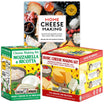
I also found Ricki’s book Home Cheese Making and the New England Cheesemaking website, which became a primary source for recipes. I ordered supplies online.
What was the initial experience like
My first cheese did not turn out, but I was hooked. Cheesemaking is a mix of recipes, science, and intuition. You have to follow the rules at first to learn when things are working or not.
While waiting for the rennet to coagulate, I often wondered how I could make the cheese my own by using different starters or combinations.
After gathering all of the tools and ingredients what were some of the problems you ran into
My first cheese was a farmhouse cheddar that turned out more like a feta. I did not know if the curds had set correctly or how tightly to pack the press. Whey became trapped in the center, which was disappointing.
I focused on what I had done right, such as sanitizing, measuring properly, and bringing the milk up to temperature on schedule.
How did you solve them
Experience is the best teacher, along with advice from experts. I joined an online cheese making group, asked questions, and received very specific feedback.
This helped me know what to look for next time, such as firmer curd and a clean break. I also memorized the troubleshooting section from Home Cheese Making.
Can you describe your initial cheese making equipment setup and how it has changed
My setup has mostly stayed the same, but I originally had only one large pot. I now prefer two pots, which is faster and cleaner.
It takes me about 30 minutes to sanitize my workspace and all utensils. I am very strict about sanitation and have never lost a cheese due to contamination.
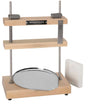
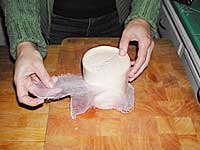
My biggest issue is wet curds and trapped whey. I also need a new press, as I bent the crossbar on my current one. I plan to make a three-section press to produce smaller cheeses and better observe the aging process.
Describe your aging space and what you have learned about aging cheese
Aging is a subtle art. Without a basement or cheese cave, I use a mini fridge with a thermostat regulator. Temperature and humidity fluctuate, so finding a balance is challenging.
I check and flip the cheeses daily. This helps me monitor rind development and firmness. Blue mould appears regularly but does not seem to penetrate the cheese.
What was the biggest disappointment in the first six months
Not having enough time to make cheese and the long wait to see how it truly turns out.
The biggest joy
The greatest joy is eating the cheese and sharing it with friends. People enjoy it and often become curious about the cheesemaking process.
My most successful cheeses have been gervais, montasio, and manchego. Cheddars and waxed cheeses have been less successful. Eating cheese made by hand is especially rewarding.
What was the first response to your cheese
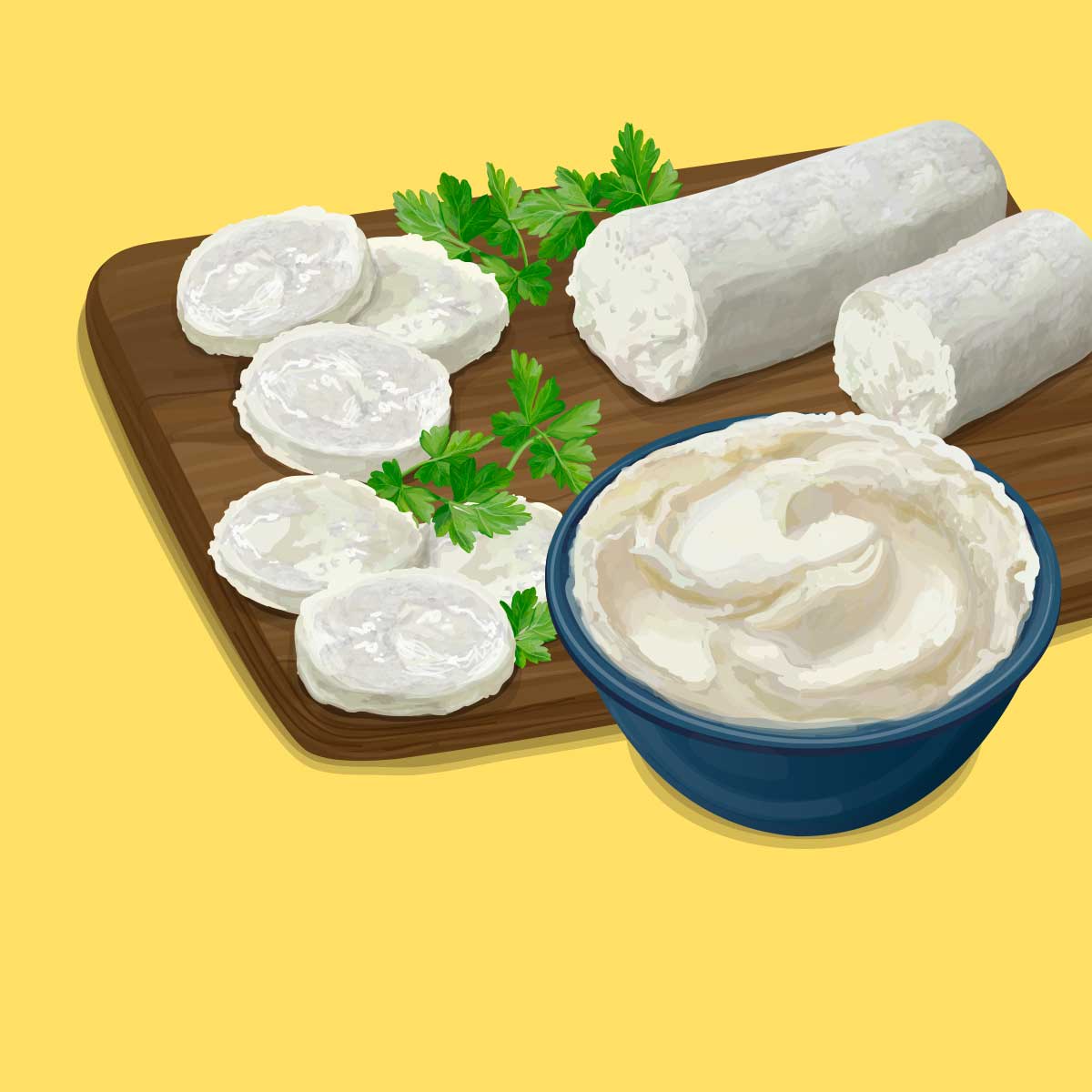
I made a gervais flavored with pepper and dill, flew with it to San Francisco, and shared it with friends. Everyone commented on its freshness and enjoyed it.
What have you learned from your first few cheeses and how has it helped your process
Some batches yield extremely wet curds, especially cheddars and goudas. I learned that packing curds firmly by hand before pressing gives better results.
I also learned not to make cheese on extremely hot days. Without air conditioning, heat and air movement seem to interfere with the process and possibly the rennet.
What would you tell someone new to cheese making
Patience is a requirement. Start with soft cheeses that are hard to mess up and can be eaten right away. Experiment with fresh herbs.
Your first hard cheese should not require waxing so you can observe it daily and track how temperature and humidity affect it.
As time has passed how much has science versus craft played a role
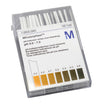
There are many variables, and science helps clarify where you stand. My next purchase will likely be an acidometer.